
Not Every E–Bike Is an E–Bike
Picture a Westport where children pedal to school without a parent behind the wheel, where a downtown errand doesn't need a parking space, where the hill that once made cycling to the train station unthinkable simply isn't a barrier anymore. That town is within reach, and the pedal-assist electric bicycle can be a big part of how we get there.
At Walk Bike Westport, we support these bikes without hesitation. A Class 1 e-bike is a great way to get around. It's quiet, it tops out around 20 miles per hour, and it only helps when you pedal. The state has subsidized these bikes because they cut car trips, lower emissions, and open cycling to people who couldn't manage it before.
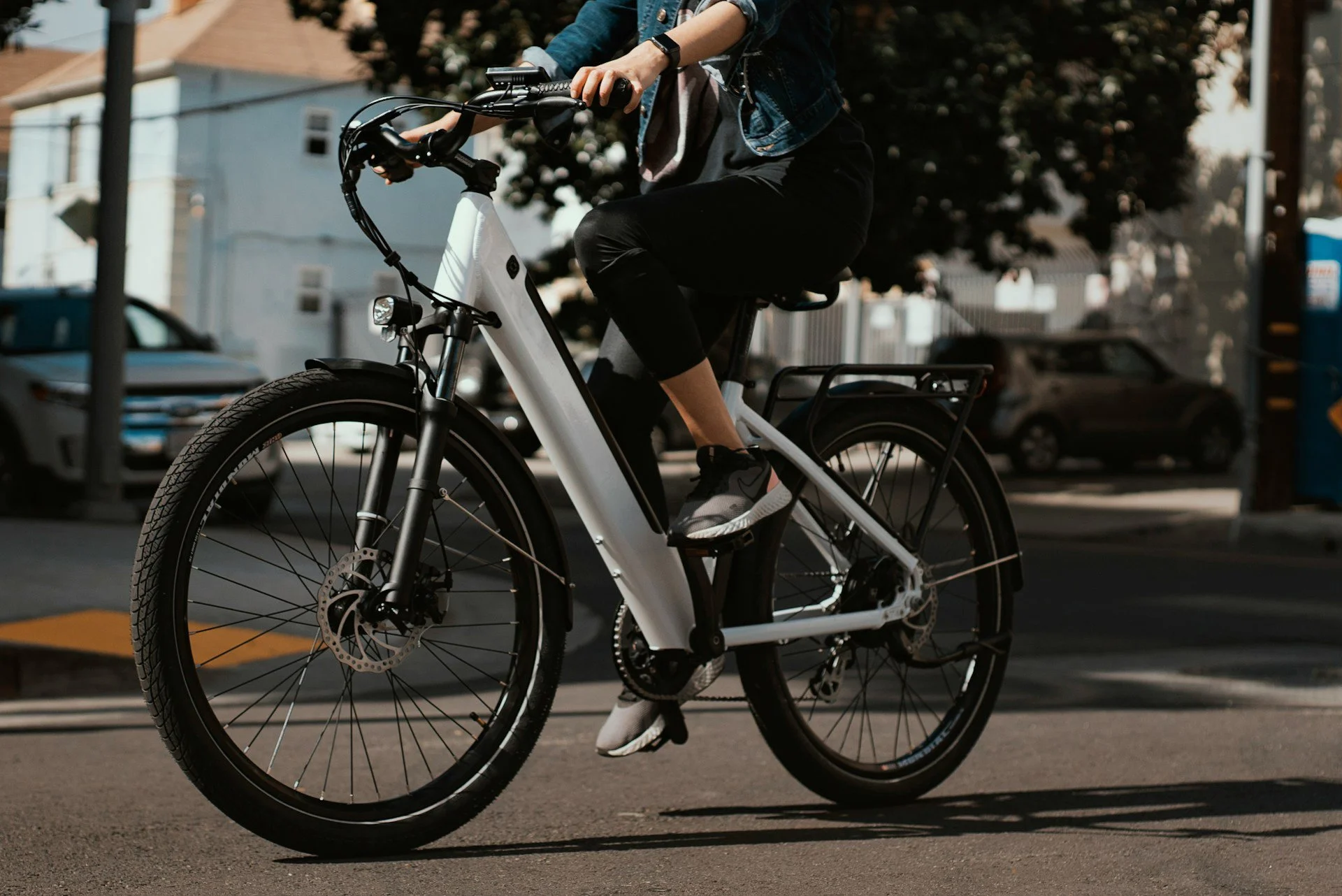
Photo: A Class 1 pedal-assist e-bike helps more people ride farther, tackle hills with confidence, and replace car trips—making cycling accessible to riders of all ages and abilities.
But there's a threat to that future, and it isn't coming from cars. It's a different machine wearing the same name. We believe the overpowered bikes that tear through traffic at 30 or 40 miles an hour aren't e-bikes. They're motor-driven cycles, and the law now treats them that way. Ridden like toys, those machines are generating exactly the backlash that could land on the rest of us. If we want the bikeable Westport, we need to know the difference.
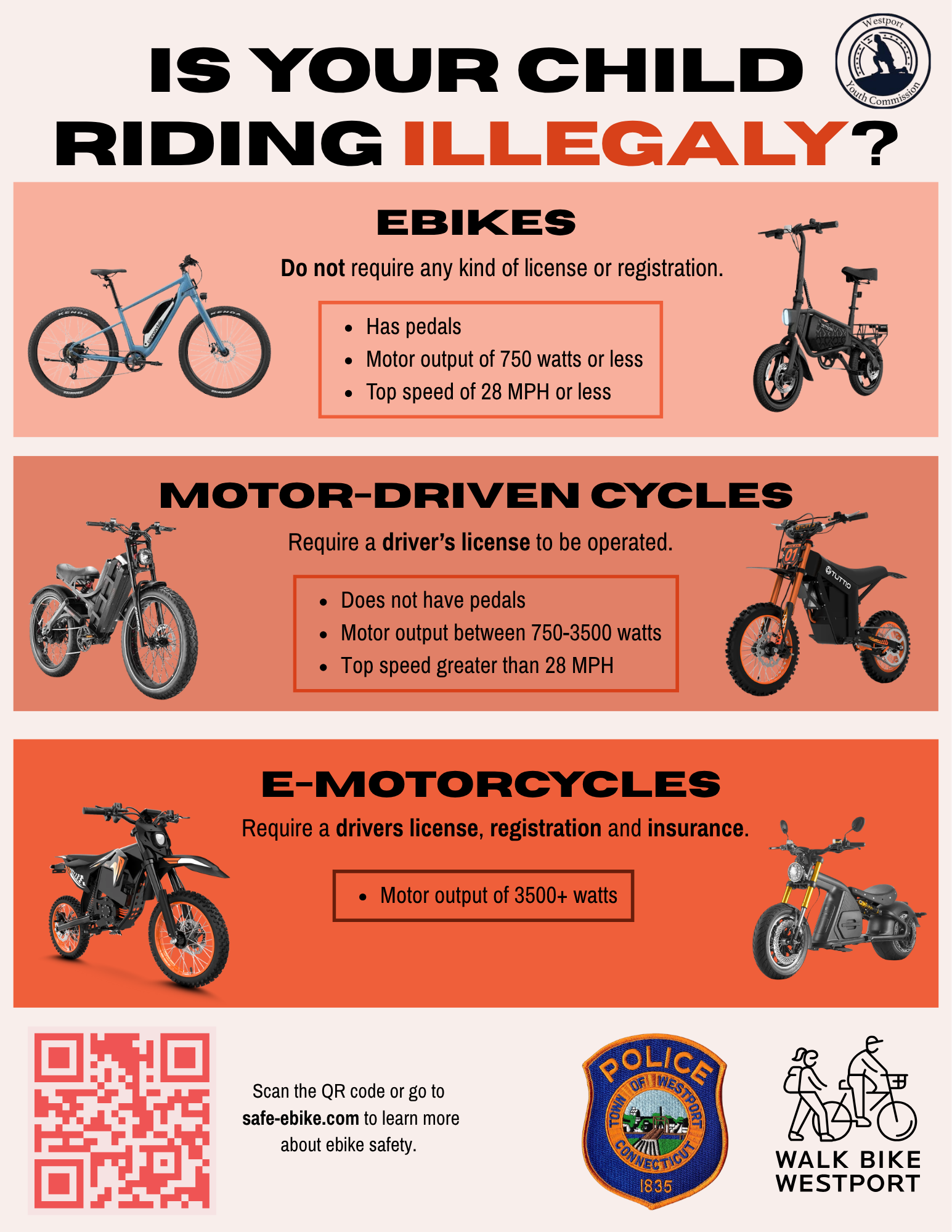
Connecticut keeps it simple. A Class 1 e-bike has working pedals and a motor of 750 watts or less. It tops out around 20 miles per hour and only adds power when you're pedaling. Ride it and the law treats you like a cyclist. No license, no plate, no insurance.
Step over that line and you're on something else entirely. A bike with no working pedals, or a motor strong enough to push past 30, isn't a bicycle in any legal sense. As of last October, the state calls it a motor-driven cycle or a motorcycle, and the rules change with the name. You need a license to ride it. The most powerful versions need registration and insurance too, the same as the motorbike it functions like.
The problem is that this classification is not at all obvious, and it does not help that the two look very similar. They get sold side by side, often under the same word. A parent shopping for a first bike sees the label "e-bike" and reasonably assumes it's a bicycle. The seller has little reason to correct them, and plenty of these bikes ship ready to go faster than the law allows, with the limits a few taps away in a phone app. By the time anyone sorts out what category the thing actually falls into, it's usually because something has gone wrong.
It's tempting to blame the kid doing 35 down Hillspoint Road, but they didn't write e-bike on the box. The machine was already mislabeled long before the parents wrapped it as a birthday present. Tracing it back is the only way to see the real problem.
They're built wrong from the start. A growing class of them leaves the factory already over the legal limits, with motors several times the 750-watt ceiling and, often, no pedals at all. The best-known is the Sur-Ron, which its own maker calls an electric dirt bike; others, like the Talaria, are built and sold the same way. The confusion creeps in later, once they hit resellers and online marketplaces, where the same bike gets listed as an "e-bike" and a buyer has no reason to doubt it.
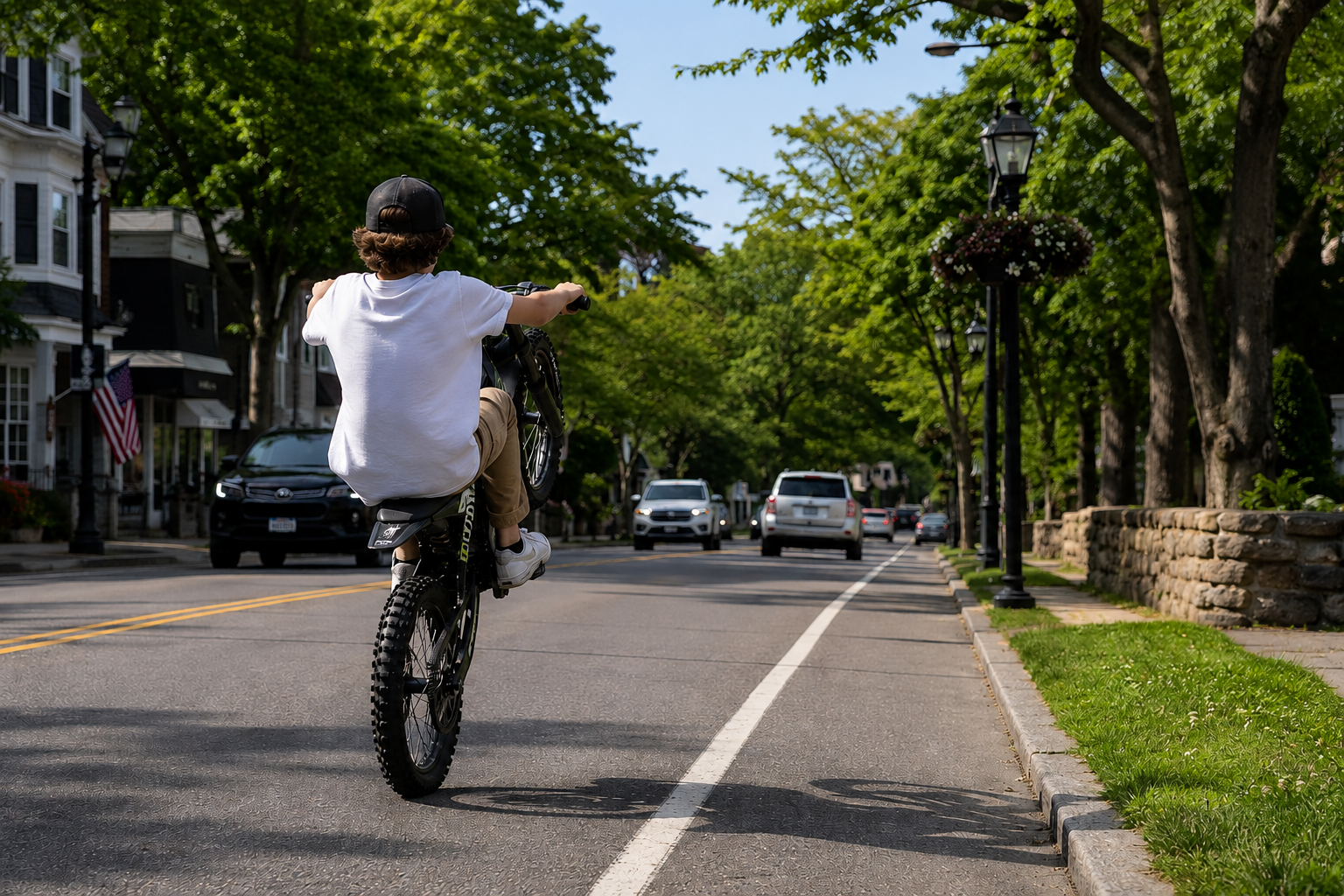
Photo: “The honest answer to the e-bike problem isn’t more fear. It’s clarity.” Knowing which bikes belong where helps keep everyone safer while protecting the future of everyday cycling.
Connecticut now requires sellers to label a bike with its class, its wattage, and its top speed, a rule the legislature added precisely because so many were moving without any of it. But a label only helps a buyer who knows to read it, and the word "e-bike" in a listing does more work than a spec sheet ever will. The fix the state reached for, accurate labels and a requirement to relabel a modified bike, only works if someone is checking, and on a Saturday-morning street nobody is. An officer watching a bike go by can't read its wattage at a glance, and the gap between a fast e-bike and a slow motorcycle is exactly the kind of line that's sharp in a statute and invisible on a road. Police in neighboring towns have clocked modified bikes doing 30 to 50. So they keep slipping through the gray space, and the category keeps absorbing things that were never meant to be in it.
All of this is a national problem, but the response is local, and what Westport does about it is still being decided. The town has more than one model to look at.
So far, the local approach has leaned toward education. The police department put up a guide for parents and held a public forum at Town Hall, where the message was less about citations than about understanding what your kid is actually riding. That instinct is the right one. Most families with a misclassified bike have no idea they have one, and a summons doesn't fix a problem that started with a misleading listing.
Southington took another road. After complaints piled up and an officer was hurt trying to help a child who had fallen from an e-bike near a town park, its police chief announced a zero-tolerance policy this spring, with citations, seizures, and in some cases arrests. It's not hard to see how a town gets there. It's also not hard to see the risk: enforcement that starts with the dangerous ones can drift toward treating every bike as a suspect, and the cyclist who did everything right ends up paying for the rider who didn't.
That's the outcome Walk Bike Westport wants to head off. The goal isn't to go easy on the machines that genuinely belong in the motorcycle category. It's to make sure the response is aimed at behavior and at the right vehicles, not at cycling itself. A crackdown that can't tell a Class 1 commuter from an overpowered dirt bike doesn't make the roads safer. It just makes them emptier of the riders we want on them.
The honest answer to the e-bike problem isn't more fear. It's clarity, and a town built so that the right bikes have somewhere safe to go.
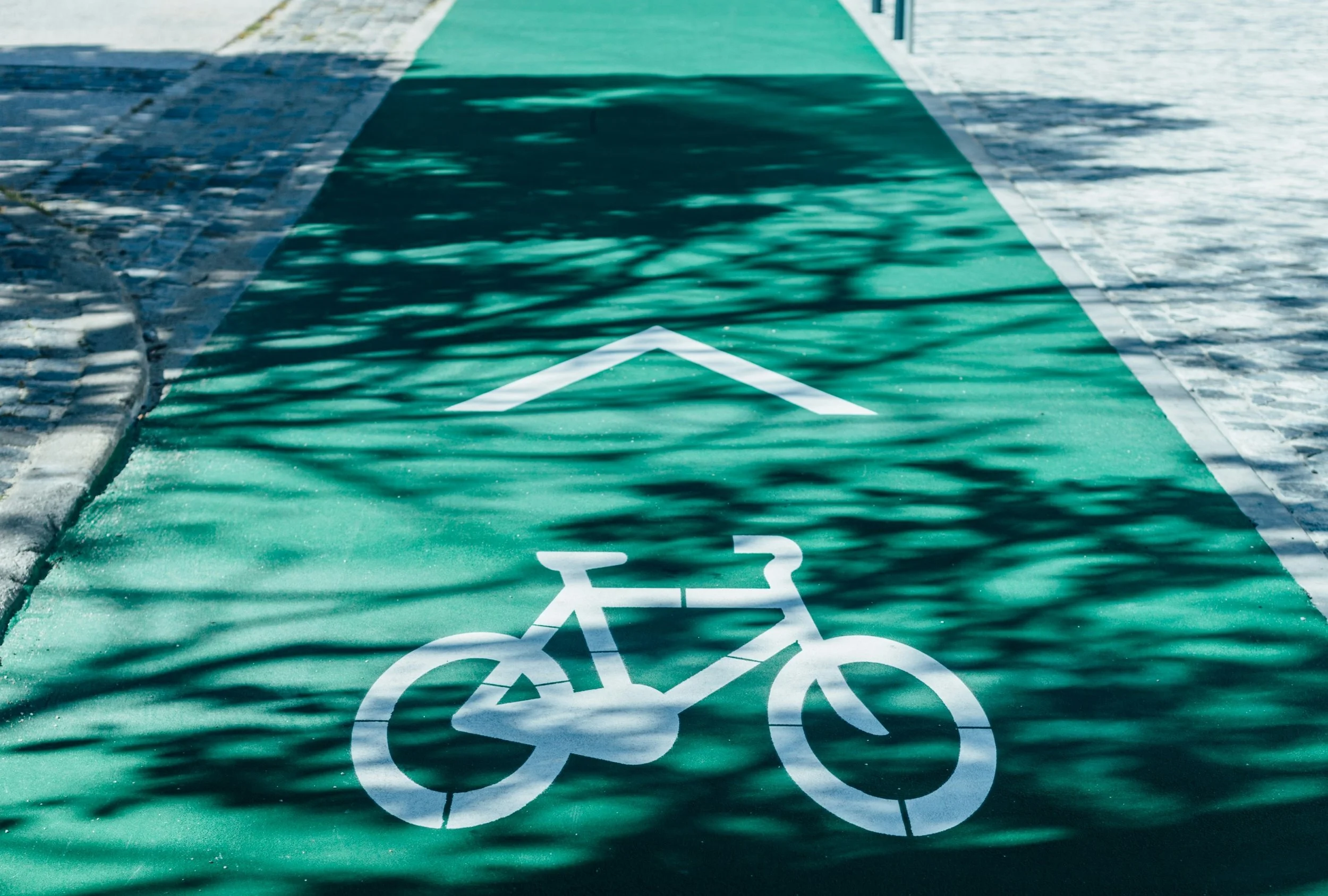
Photo: “When we build safer places to bike, we create a healthier, more connected, and more vibrant Westport for everyone.”
The town and its police can publish a plain guide that tells a resident, in one page, whether the bike in their garage is a bicycle or a motorcycle under Connecticut law. The state already wrote the dividing line; Westport just has to translate it.
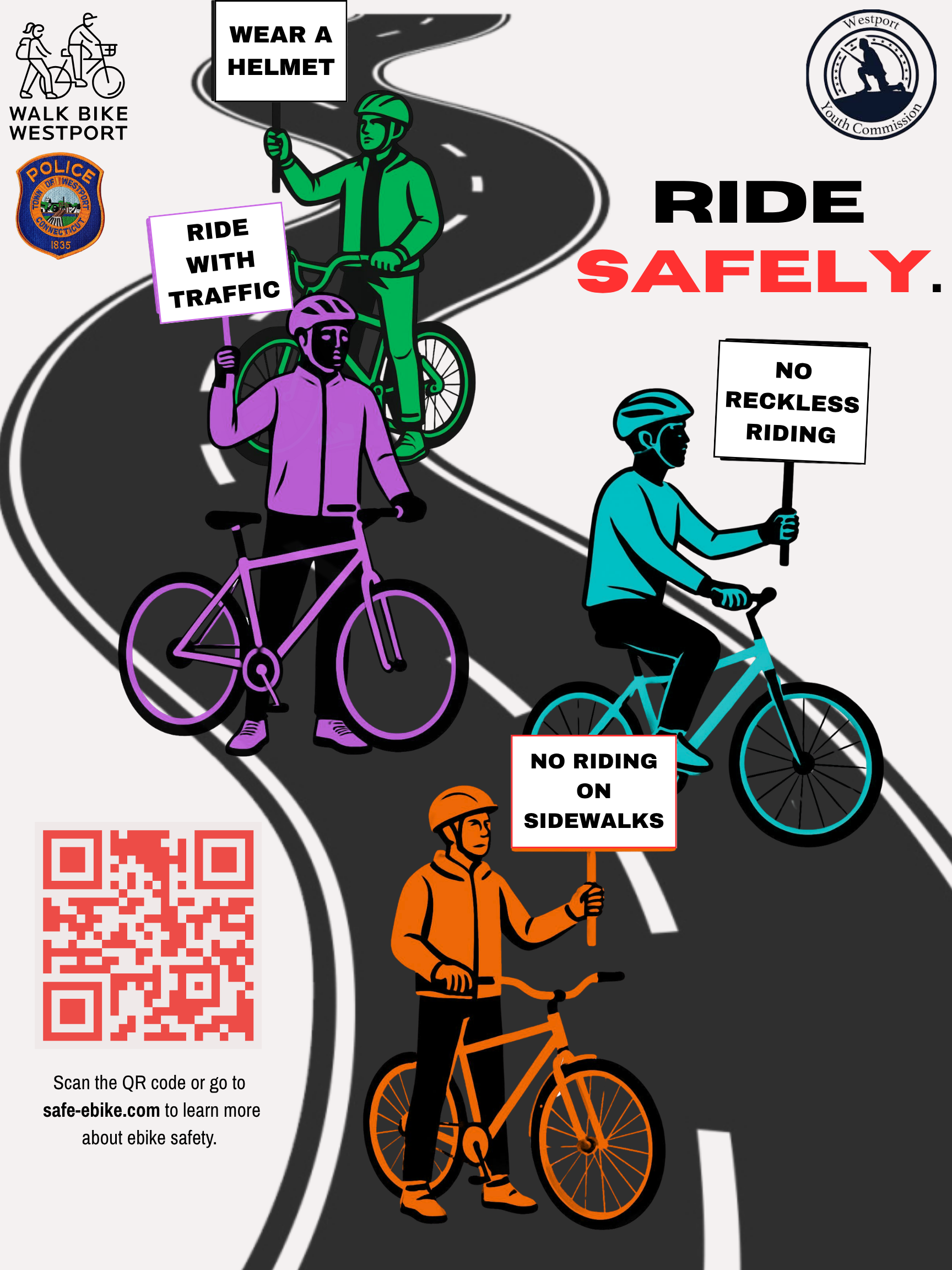
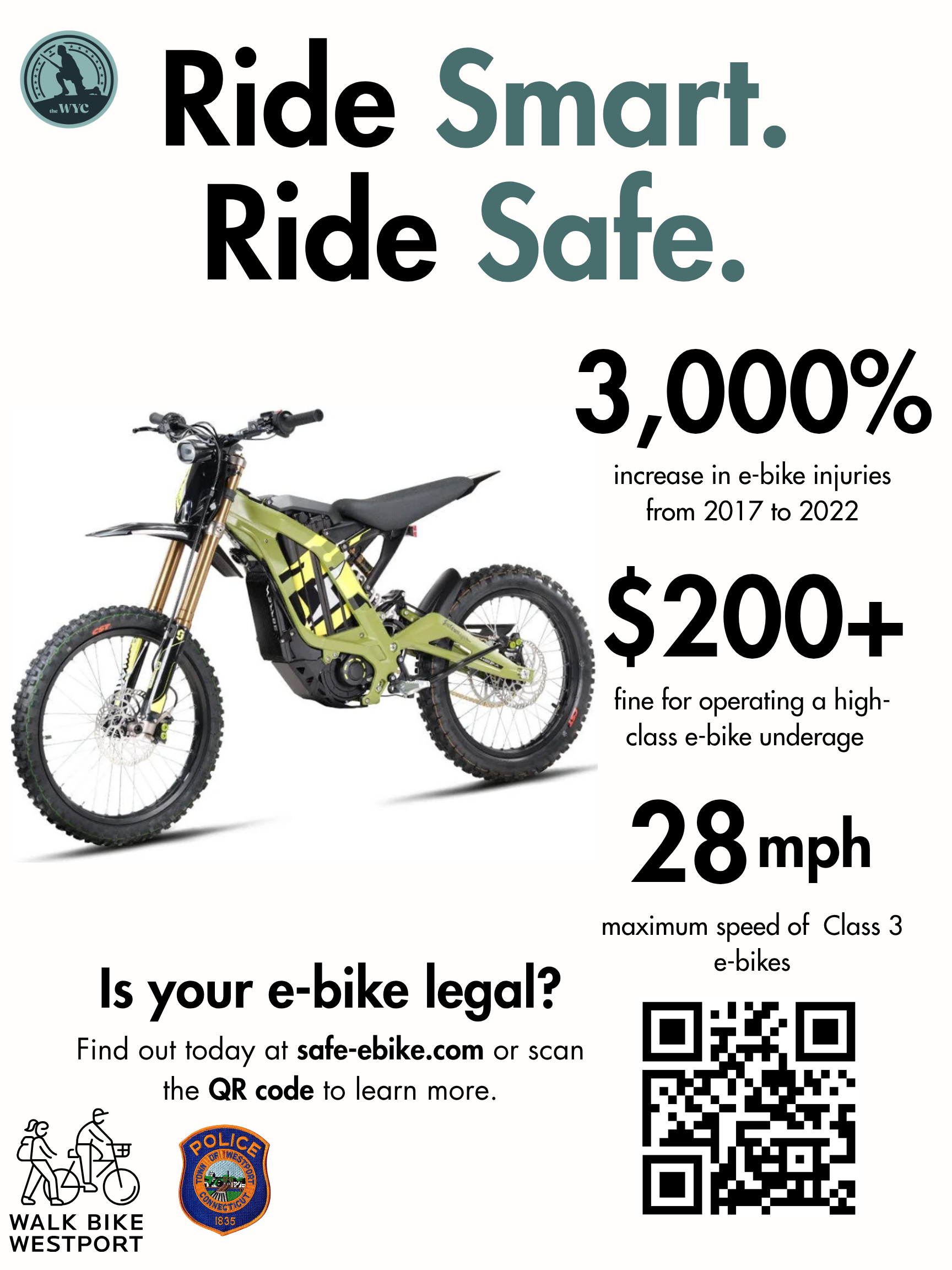
Some of that work is already underway, and it's coming from the people with the most at stake. This spring the Westport Youth Commission's E-bike Safety and Awareness group, a group of local teenagers, built a poster campaign with two goals that map almost exactly onto the problem: teach young riders how to ride safely, and teach parents which e-bikes their kids are actually allowed to ride. They worked with the Police Department and with us at Walk Bike Westport, put their posters in doctors' offices, schools, bike shops, and the media, and they're planning biking events this fall. We're proud to support it. When the kids most associated with the problem are the ones standing up to solve it, the rest of the town should be paying attention.
But most of what makes cycling feel unsafe in Westport has nothing to do with e-bikes and everything to do with roads built only for cars. The town is already working on a safety plan with federal funding; protected lanes and calmer streets are the intervention traffic-safety research points to for lowering the crash risk driving all this worry. Give legitimate riders a real place to ride and far fewer of them end up in traffic in the first place.
Finally, the difference itself. A pedal-assist e-bike is one of the best things to happen to local transportation in a generation. A throttle-driven motorbike wearing a bicycle's name is a different thing entirely, and it should be ridden, licensed, and treated for what it is. Defend the first, be straight about the second, and the Westport we pictured gets a little closer.
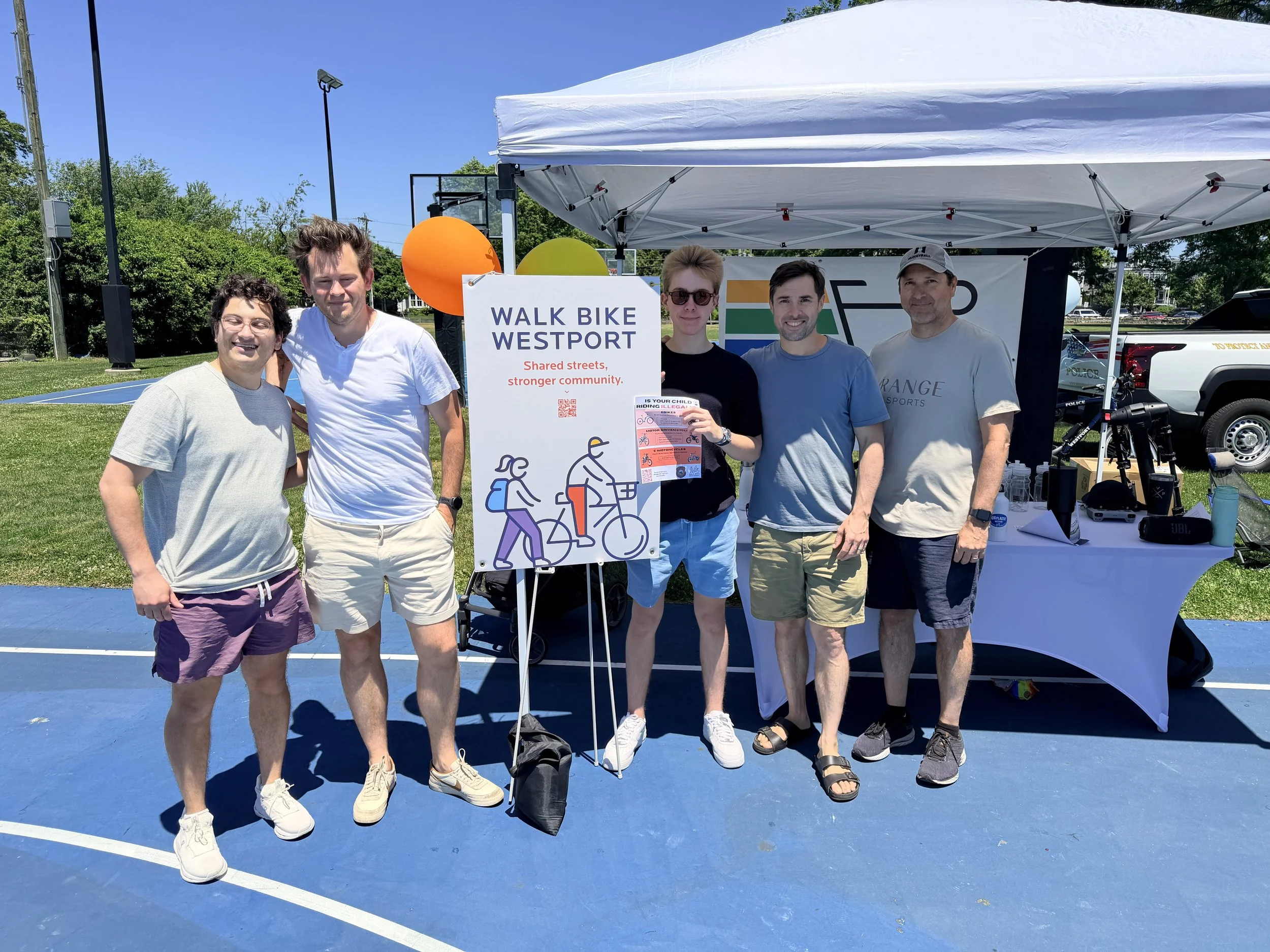
Photo: from recent ‘Kick-Off To Summer’ Event at Compo Beach. Including Walk Bike Westport team, volunteer David Sternberg & Westport Youth Commission’s Jack Thompson, holding up one of their campaign flyers.
